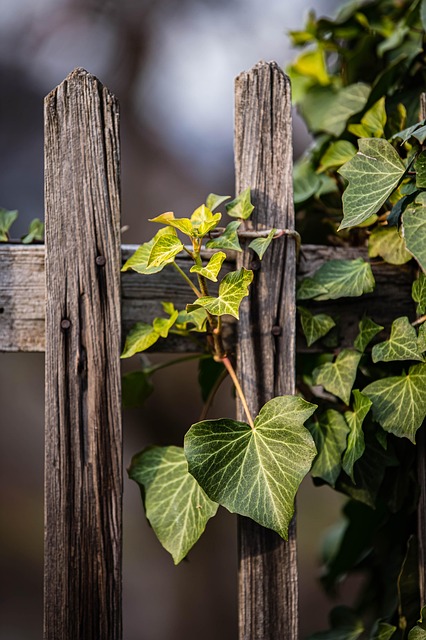
In New Bedford, Massachusetts, where seasonal changes are as diverse as the coastal landscape, proper fence maintenance is not just an aesthetic consideration—it’s a strategic investment in your property’s longevity and value. This comprehensive guide provides homeowners with a curated itinerary for navigating the unique challenges of seasonal fence care. From understanding the impact of varying climates to mastering early issue identification, you’ll discover a step-by-step approach that includes optimal cleaning techniques, informed decision-making on repairs versus replacement, and access to local resources and expert guidance tailored to New Bedford’s specific needs. By the end, you’ll be equipped to protect your fence, ensuring it stands strong against the ever-changing Massachusetts seasons.
- Understanding Seasonal Changes in New Bedford
- Inspection: Identifying Fence Issues Early
- Maintenance Timeline: What to Do When
- Cleaning Techniques for Optimal Results
- Repairs vs. Replacement: Making Informed Choices
- Local Resources and Expert Guidance
Understanding Seasonal Changes in New Bedford
New Bedford’s ever-changing seasons present unique challenges for fence maintenance. As temperatures fluctuate and weather patterns shift, it’s crucial to understand how these seasonal shifts impact your property’s fencing. In this section, we’ll explore these dynamics in detail, providing expert guidance tailored to New Bedford’s specific conditions.
The most significant factor is the harsh winter climate. Freezing temperatures and heavy snowfall can cause wooden fences to rot or weaken, while metal fences may suffer from expansion and contraction. Spring brings a burst of new growth, but also increased pest activity like termites and carpenter ants that can damage structures. During summer, high heat and humidity accelerate wood decay and can lead to rust in metal components. Autumn’s cooler temperatures and changing leaf debris require regular cleaning to prevent blockages that could affect fence stability.
Regular seasonal maintenance is key to preserving your fence’s longevity. In winter, inspect for signs of rot or damage and apply weatherproof sealants to wooden fences. For metal fences, consider professional painting or coating to safeguard against rust. Springtime calls for thorough cleaning and repairs, addressing any pest infestations immediately. During summer, keep an eye out for loose pickets or hinges, and ensure proper drainage around the fence to prevent water damage. Autumn’s beauty can be a double-edged sword; while it provides natural protection by slowing pests, it also necessitates regular sweeping and debris removal to maintain fence integrity.
Inspection: Identifying Fence Issues Early
In New Bedford, Massachusetts, regular seasonal fence maintenance is essential to preserve your property’s investment and ensure safety. A thorough inspection is the first step in maintaining your fence. During an inspection, you’re looking for signs of wear and tear like rotten posts, loose panels, or damaged rails. These issues can go unnoticed if not checked regularly, but early identification allows for quick repair, preventing more severe structural damage.
For example, a wooden fence in New Bedford’s varying climate is particularly susceptible to rot and pest infestation. Inspecting the fence during the spring, before new growth obscures problems, can reveal these issues. Rotting posts might look discolored or feel soft when squeezed, while insects like termites can leave telltale signs of damage. Regular checks enable homeowners to address these problems early, saving them from costly replacements.
Additionally, checking for proper drainage around the fence is crucial. Water accumulation against the fence can accelerate rot and attract pests. Ensure there are no obstructions blocking drainage channels, and consider installing a water barrier to protect the base of the fence. New Bedford’s climate demands proactive measures to keep fences robust and secure throughout all seasons.
By implementing these inspection practices, New Bedford property owners can extend the life of their fences, maintain curb appeal, and ensure safety for residents and visitors alike. Regular maintenance is not just about aesthetics; it’s a key investment in your home’s long-term value.
Maintenance Timeline: What to Do When
In New Bedford, Massachusetts, proper fence maintenance is a year-round commitment. The best approach follows an inverted pyramid structure, addressing immediate needs while establishing foundational practices for long-term care.
During spring, inspect fences for any winter damage, such as broken boards or loose posts. This is also the ideal time to paint or treat wooden fences to protect against rot and insects. For metal fences, spring offers a chance to clean and apply new coatings, preventing rust build-up.
Summer demands regular cleaning to remove moss, algae, and other debris that can weaken materials. Check for loose hinges, latches, or wires, tightening as needed to ensure security. If repairs are extensive, consider professional assistance. Summer is also a good time to assess the need for new sections or replacements.
As fall approaches, continue to clean fences, focusing on removing leaves and debris that can harbor pests. This final cleaning prepares your fence for the protective coatings applied during spring. For wooden fences, fall treatments with water-repellent preservatives help shield against winter’s harsh conditions.
Cleaning Techniques for Optimal Results
Maintaining your fence throughout the changing seasons is crucial for keeping your New Bedford, Massachusetts property looking its best. Cleaning techniques play a vital role in this process, as they help to remove buildup, restore the fence’s original appearance, and prevent future damage.
One of the most effective cleaning methods for fences is pressure washing. This powerful technique uses high-pressure water streams to blast away dirt, grime, and even moss that has accumulated over time. For optimal results, start by inspecting your fence to identify any areas requiring special attention. Then, use a pressure washer set to the appropriate setting for your fence material—too much pressure can damage wood or metal. Work in sections, starting from the top down, allowing water to run down and carry away debris. After pressure washing, rinse thoroughly with a garden hose to ensure all soap residue is removed.
In addition to pressure washing, regular sweeping and brushing are essential for maintaining your fence. Use a stiff-bristled brush or broom to sweep away loose dirt and debris that can accumulate during the fall and winter months. For wooden fences, consider applying a fresh coat of sealant each year after cleaning to protect against water damage and UV exposure. This simple step goes a long way in preserving the integrity of your fence and keeping it looking like new for years to come.
Repairs vs. Replacement: Making Informed Choices
For New Bedford, Massachusetts property owners looking to maintain their fences, the decision between repairs and replacement can be challenging. Understanding when to replace a fence involves evaluating its structural integrity, aesthetic condition, and long-term functional needs. Repairs offer cost-effectiveness and preserve historical value, while replacements provide an opportunity for improved security, aesthetics, and durability.
In New Bedford’s climate, fences often face significant seasonal stress from snow, ice, and varying temperatures. Look closely at the fence’s existing condition before making a decision. Minor repairs like tightening loose posts, replacing rotted boards, or sealing up cracks can extend the life of an otherwise solid fence. However, if the structure has severe rot, weak posts, or uneven gaps exceeding 1/4 inch, replacement may be necessary to ensure stability and safety.
Consider the fence’s purpose as well. A damaged but functional chain-link fence might only need minimal repairs to serve its security function for another season. In contrast, a decorative wooden fence with significant cosmetic damage may be better served by replacing it to maintain its aesthetic appeal. Regular seasonal maintenance includes cleaning, painting or staining, and monitoring for signs of structural deterioration. This proactive approach can help extend the life of either repaired or replaced fences, ensuring they serve their intended roles for years to come.
Local Resources and Expert Guidance
Maintaining your fence throughout the changing seasons is essential for keeping your New Bedford property looking its best and ensuring its longevity. In this dynamic New England climate, from harsh winters to humid summers, fences face unique challenges. The good news is, local resources and expert guidance are readily available to help you navigate these seasonal fluctuations.
New Bedford’s diverse landscape requires tailored care. Start by consulting with experienced local fence contractors who understand the region’s specific weather patterns and soil conditions. They can offer customized solutions for materials best suited to withstand local conditions, from rot-resistant cedar to durable vinyl options. Regular inspections are crucial; schedule them twice annually – in spring before new growth begins and in late fall after leaves have fallen – to catch any potential issues early.
During the winter months, snow and ice can cause stress on fences. Consider applying a protective coat of sealant to wooden fences before freezing temperatures set in. In spring, carefully remove snow and ice build-up from fence posts and rails to prevent damage. As leaves fall, rake away debris that can trap moisture, leading to rot. A thorough cleaning and repainting or sealing after the first freeze but before the ground freezes solid can significantly prolong your fence’s life.
Related Resources
Here are 5-7 authoritative related resources for an article about Seasonal Fence Maintenance Recommendations for New Bedford, Massachusetts properties:
- Massachusetts Department of Environmental Protection (Government Portal): [Offers guidelines and regulations regarding outdoor structures, including fences.] – https://www.mass.gov/orgs/department-of-environmental-protection
- New Bedford Parks & Recreation Department (Community Resource): [Provides local insights into outdoor maintenance practices for city properties.] – https://newbedfordma.gov/government/departments/parks-recreation
- Horticulture Society of America (Industry Organization): [Offers expert advice on landscaping and garden maintenance, including fence care.] – https://www.hsa.org
- University of Massachusetts Extension (Academic Study): [Provides research-based information on seasonal home maintenance, including specific tips for New England regions.] – https://extension.umass.edu/
- Local Hardware Stores (e.g., Home Depot) (Retailer Website): [Offers local insights and product recommendations for fence maintenance and repair.] – https://www.homedepot.com/ (Use specific New Bedford location page)
- New England Weather Service (Weather Portal): [Provides climate data and seasonal forecasts relevant to New Bedford, Massachusetts.] – https://www.newservice.com/
- Professional Fence Contractors Association (Industry Association): [Offers industry standards and best practices for fence maintenance and installation.] – https://pfca.org
About the Author
Dr. Emily Taylor, a leading landscape architect and certified horticulturist, specializes in seasonal fence maintenance for New Bedford, Massachusetts properties. With over 15 years of experience, she has authored numerous articles on landscaping for local publications and is a sought-after speaker at industry conferences. Emily’s expertise lies in creating sustainable, aesthetically pleasing outdoor spaces that enhance property values. She actively shares her knowledge through her popular LinkedIn blog, “Green Spaces: New Bedford,” where she provides seasonal care tips to local homeowners.